
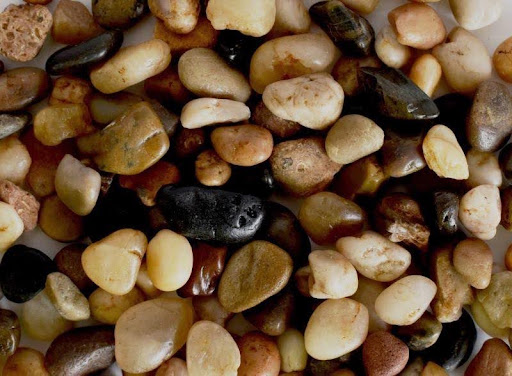
A Melbourne landscape supplier has published the places it says its own decorative stone does not belong, and the mistakes it sees most often.
Most supplier guides explain where a product works. Melbourne’s Soilworx has gone further. In a buying guide published on 29 September 2026, the company set out where it believes decorative stone is the wrong choice, saying the point is worth making plainly because most suppliers will not.
The reasoning is practical. Soilworx describes decorative stone as one of the few landscaping decisions homeowners make once. Get the size, colour and depth right and it can still look good in fifteen years. Get it wrong, and the stone ends up back in the barrow.
For anyone about to search for garden pebbles near me, the guide offers a useful list of what to avoid before ordering.
Five places pebbles cause problems
Soilworx names several situations where loose decorative stone is likely to disappoint.
- Vegetable beds and annual displays. These beds are dug constantly and the soil needs feeding. Organic mulch, which breaks down and adds to the soil, suits them better.
- Tight beds against a sunny north or west facing wall. Dark stone in full sun stores heat during the day and releases it into the evening, creating what Soilworx calls a heat trap.
- Slopes and lawn edges without containment. Rounded pebbles migrate downhill and into lawns, where they become a hazard for anyone with a mower.
- Directly under deciduous trees. Unless you are prepared to blow leaves off every autumn, raking leaf litter out of stone is a tedious job.
- Driveways. Loose pebbles move under tyres and end up on the footpath. Soilworx recommends a compacting topping over a prepared base for the driveway itself, with decorative stone kept to the borders.
The most common installation fault
According to Soilworx, the single most common mistake is laying stone too thin. A thin layer lets the ground show through within a season, does little to stop weeds and looks patchy once anything disturbs it.
Its rule of thumb is a layer at least two to three times the stone size. For the popular 20mm size, that means about 50mm deep. Going beyond about 75mm in a garden bed rarely improves the look and simply costs more.
White stone is another frequent disappointment. Whiteness comes from the parent rock, not a coating, so softer white stones dull faster, especially under trees or near a driveway. Soilworx points to genuine quartz, such as its Arctic Quartz, where whiteness needs to last.
Where pebbles earn their place
None of this means stone is a poor choice. Soilworx recommends it for permanent plantings, natives, succulents, driveway borders, pot toppings and paths, and for any bed homeowners do not want to redo every couple of years. Stone does not break down, does not need topping up like mulch, and is non combustible near buildings.
The guide also flags a simple order of work that prevents most problems: clear the bed, fix drainage, install edging before the stone, lay woven geotextile weed mat rather than plastic, spread to depth and hose the stone down to bring up its colour.
Why seeing it first matters
Soilworx’s final piece of advice is about buying. Choosing stone from photos on a screen is difficult, because colour reads differently in the yard, in the sun and next to real paving and render.
That is the strongest case for buying from a supplier close enough to visit. Soilworx invites customers within reach of its Deer Park, Pakenham and Werribee yards to see the stone in person, and says its counter staff will tell buyers honestly if the stone they have picked is wrong for the job. Its online shop also lists a sample category.
With almost 40 years supplying sands, soils, gravels, mulches and pebbles across Victoria, Soilworx offers decorative stone from bagged quantities to bulk loads, with GPS tracked delivery or collection from any of its three yards.
